Great Retreat Begins as Allies Withdraw Before German Advance
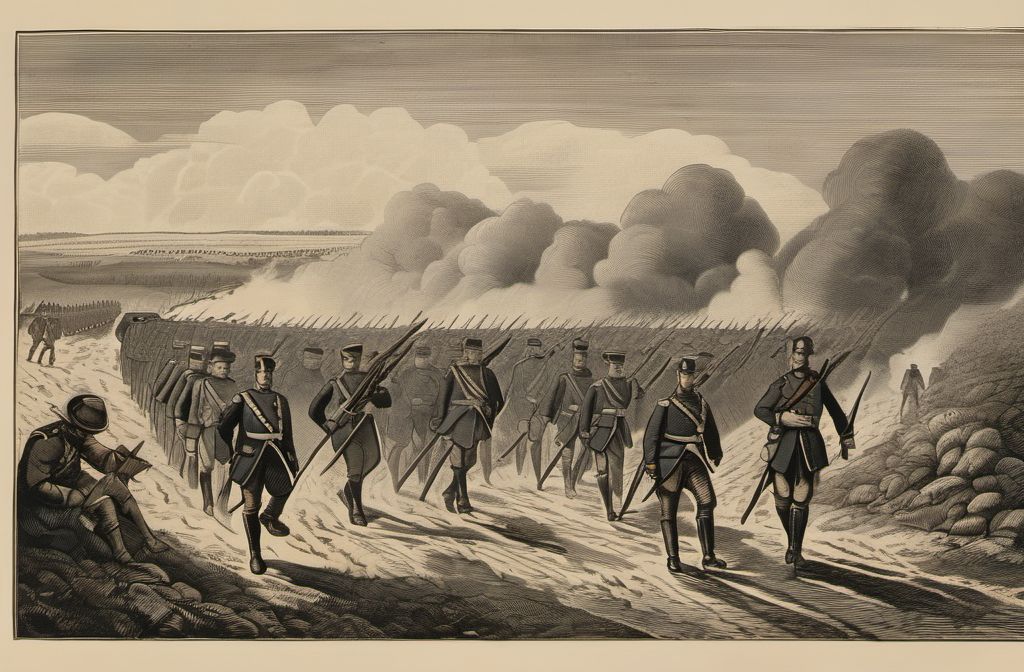
On the 23rd of August, 1914, the British Expeditionary Force (BEF) and the French Fifth Army initiated a large-scale retreat as they faced an overpowering German offensive. This tactical withdrawal, often referred to as the 'Great Retreat,' is a pivotal moment in the opening stages of the Great War, underscoring the strategic challenges and immense military pressures faced by the Allied forces.
The retreat began as German forces advanced rapidly through Belgium and northeastern France, aiming to outflank Allied positions and push deeper into enemy territory. Despite the grim circumstances, the BEF and the Fifth Army conducted an orderly withdrawal, maintaining discipline and cohesion under the strain of continuous battle.
As the Allies retreated, they sought to establish defensive positions and regroup for future counter-offensive operations. The tactical significance of this movement cannot be overstated, as it allowed the Allies to avoid catastrophic defeats while setting the stage for future engagements. The Great Retreat marked the beginning of a long and arduous struggle that would define the early years of the war.